
Course Content
Introduction
Welcome! I’m Jana Brock. For more than a decade, I’ve provided hands-on, daily care for rabbits. My focus has always been accurate research, practical application, and respectful treatment of these sensitive animals. I’ve learned that rabbits respond to patience, quiet consistency, and respect. That philosophy shapes everything I teach. Over the years, I’ve worked with rabbits needing rehabilitation, gentle bonding, post-surgical care, and behavioral stabilization. Some have come to me fearful, injured, or misunderstood. A high number of them did not trust humans enough to even approach them. With time and consistent care, I’ve watched rabbits become calm, trusting companions. I am not a rescue organization. My work has centered on day-to-day care, long-term rehabilitation, and education. Writing and documentation have always been part of my process, which allows me to share what I’ve learned in a clear and structured way. This course is built from experience — not trends. My goal is to provide practical, responsible guidance that supports both rabbits and the people who care for them. I’m glad you’re here. Let’s begin.
0/2
Feeding Fundamentals: A Rabbit’s Diet
A rabbit’s diet is so important that it can truly mean the difference between life and death. Rabbits are strictly herbivores. They are designed to eat a very specific, plant-based diet, and they thrive when their food stays as close to nature as possible. Rabbits do not eat meat, dairy, or foods made for humans. Feeding them things that they would not naturally eat or have access to if they lived out in nature can cause serious digestive problems. It can also be fatal. In this lesson, you’ll learn the foundational principles of a healthy rabbit diet. We’ll cover what rabbits should eat every day, why fresh hay and clean water are essential, and how proper nutrition supports digestion, dental health, and overall well-being. Understanding these basics is one of the most important ways you can help your rabbit live a longer, healthier life.
0/4
Housing Basics: Primary Living Space
Providing appropriate housing is one of the more important responsibilities of caring for rabbits. Rabbits are active, intelligent animals who require space, safety, and thoughtful setup to thrive in captivity.
0/4
Grooming and Basic Care
Proper grooming and basic care are not cosmetic tasks. They are foundational responsibilities. Rabbits are delicate animals whose health depends heavily on consistent, hands-on maintenance. This module covers three core areas: nail care, coat maintenance, and preventative health practices which includes spay and neuter surgery.
0/5
Common Mistakes New Rabbit Owners Make
Many rabbit care problems are not caused by intentional cruelty. They are caused by misunderstanding and inaccurate information. Rabbits are often treated like small, low-maintenance pets. In reality, they are sensitive, intelligent prey animals with very specific needs. Understanding common mistakes allows you to avoid unnecessary suffering and create a stable, thriving environment from the beginning.
0/6
First Steps After Finding or Adopting a Rabbit
Whether you adopted intentionally or unexpectedly found yourself responsible for a rabbit, the first 24–72 hours matter. This is not the time for excitement, introductions, or major changes. It is a stabilization period. Your primary goal is to create safety, reduce stress, and observe carefully before making decisions.
0/5
Key Takaways for Rabbit Care and Handling
Rabbits are often misunderstood. They are small and quiet, which leads many people to assume they are simple or low-maintenance. In reality, rabbits are intelligent, emotionally aware, and physically delicate animals who require thoughtful, consistent care. Understanding that truth changes everything.
0/4
Rabbit Care Basics

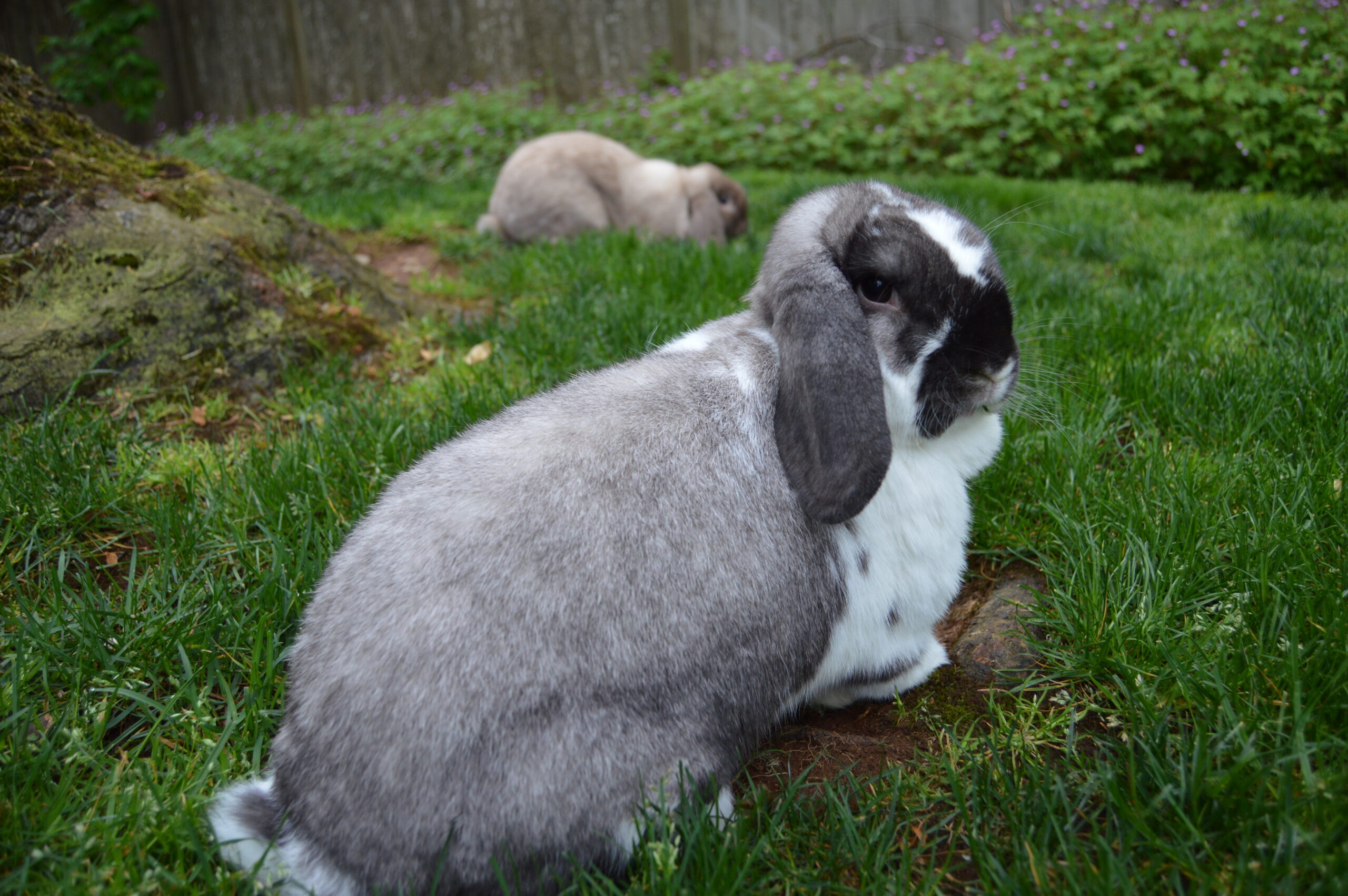
Rabbits naturally live in social groups called warrens. In the wild, a warren is not just a gathering of rabbits… it’s also a complex network of underground tunnels. This tunnel system is carefully dug to provide safety from predators, shelter from harsh weather, and secure places for raising their young. Even domesticated rabbits retain these instincts: they want to dig, explore, and create safe spaces. They also want to live in groups or pairs.

So, when speaking of a rabbit’s base nature, warrens have two different, equally important, definitions:

Warren = an underground network of tunnels dug by rabbits; and

Warren = a group of rabbits living together.

This is why keeping a rabbit in a small backyard cage, no matter the reason or the season, is harmful. It disrespects their biology and base nature. Unlike wild rabbits, domesticated rabbits cannot dig to escape heat, cold, or threats. Understanding this basic need helps us provide living spaces that respect their instincts and keep them healthy, safe, and happy. 

If you want to impress your non-rabbit friends, this is a bit more sciencey:

Rabbits are small mammals in the family Leporidae, which also includes hares. They belong to the order Lagomorpha, along with pikas. Unlike rodents, rabbits have distinct anatomical and genetic traits that make them unique.

Domesticated rabbits (our rabbits) have 44 chromosomes. In contrast, a wild hare, specifically the European Brown Hare, has 48 chromosomes. These wild hares might look like the same species as your rabbit, but they actually belong to the genus Lepus. Domesticated rabbits belong to a different genus. They are not the same species, though they share key characteristics including being diggers and chewers.

The domestic rabbits we know and love come from the European rabbit, Oryctolagus cuniculus, and there are hundreds of breeds worldwide. Other rabbit species, like cottontails and tapetis, belong to the genus Sylvilagus, while a few rare species live in limited areas, such as the pygmy rabbit and volcano rabbit.

Understanding this evolutionary and biological background helps us respect rabbits for what they truly are: sensitive, intelligent prey animals. Rabbits are not rodents. They are lagomorphs.

Scroll to Top