
The topic of what else to feed your rabbit, beyond hay and water, can vary widely depending on the source. However, following well-established best practices with proven long-term results is one of the most reliable ways to support your rabbit’s health and longevity.
Below is a general guideline from my book, Bunny Conversations, The Entertaining Dialogue of Pet Rabbits. This information is well-researched information which has proven safe and effective for most healthy, normal rabbits. The following information is meant for a healthy adult rabbit’s daily diet.
Types of Vegetables/Greens
Cruciferous vegetables (also called brassicas), such as kale, broccoli, cabbage, and mustard greens, are often misunderstood in rabbit care. While these foods are commonly listed as “safe,” that does not mean they should be fed regularly.
Brassicas contain compounds like glucosinolates that, when fed too often, can disrupt a rabbit’s delicate gut flora. This disruption may allow harmful bacteria, yeast, or parasites to overgrow and can contribute to ongoing digestive issues and potential long-term health problems. For this reason, many experienced rabbit caregivers either avoid these vegetables or offer them only as occasional treats.
Because of a rabbit’s digestive system, all new foods must be introduced slowly and carefully. Adding too many new vegetables at once can cause soft stools, diarrhea, gas, bloating, or excess cecotropes. We’ll talk more about cecotropes in a moment.
Carrots
Bugs Bunny didn’t do us any favors on the topic of carrots and rabbits. Rabbits should not eat carrots except in very small amounts occassionally… such as a small quarter-size piece as a treat.
Carrots have a high sugar content which is bad for teeth. Carrots can also cause digestive issues and obesity. Those health problems cause a series of other health problems. You don’t want your rabbits to suffer as a result of bad historical information or past trends, so be cautious with carrots. Carrot greens are a much better choice and can be added to salads on a more regular basis.
Cecotropes
Cecotropes are a clump of shiny, strong-smelling, nutrient-rich droppings. They look different than regular droppings (poop). It is not true that rabbits eat their poops. However, rabbits normally eat cecotropes to stay healthy. Humans should not see these cecotropes in the rabbit’s environment since healthy rabbits reinjest them quickly.
An overproduction of cecotropes usually means there are too many greens in the diet. It could also mean that the rabbit cannot tolerate something he ate or is having other problems that require veterinarian intervention. If you see cecotropes in the environment, try reverting back to strictly hay until the droppings return to normal. When everything returns to normal, you can try a different type of vegetable in a very small amount.
Organic spring mix is typically a good base for greens, but be careful of excess spinach in the mix. Spinach is generally safe for rabbits but only in moderation. It has high oxalates (oxalic acid), which can lead to health problems and gut upset. Of course, growing your own organic lettuce and spring mix is always preferable.
Any digestive upset can quickly lead to more serious problems if the problem is not addressed early. Introducing one new green at a time allows the gut bacteria to adjust properly. It also helps you identify foods your rabbit may not tolerate.
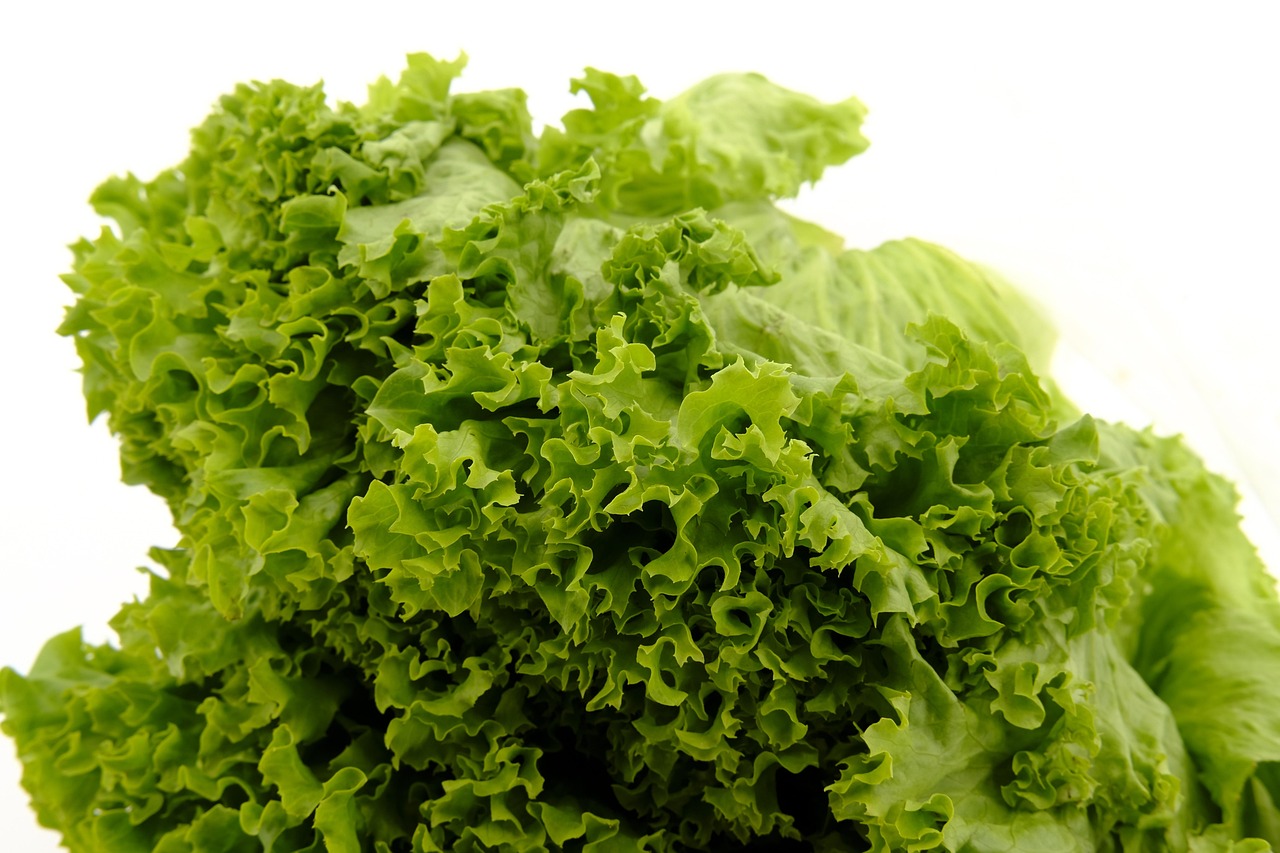
When introducing vegetables, start with a very small amount of a single rabbit-safe green, such as red leaf lettuce, and feed the same food in the same quantity for several days while monitoring droppings closely. If all remains normal, additional greens can be added one food at a time… gradually. Note: Iceberg lettuce should not be fed to your rabbits.
General Guideline
A general guideline for rabbits accustomed to greens is no more than ¾ to 1 cup of vegetables per day for every 2–3 pounds of body weight, adjusted based on individual tolerance. Feeding vegetables in divided portions, maintaining a consistent routine, and returning to hay-only feeding at the first sign of digestive trouble are key to supporting long-term rabbit health. If serious or persistent symptoms occur, a rabbit-savvy veterinarian should be contacted immediately.
Daily Feeding Breakdown
- Fresh hay and water: 75–95% (source information varies)
Provide unlimited access at all times. - Fresh greens / vegetables: 10–15% of the daily diet
- High-quality pellets (if used): Up to 5%
- Rabbit-safe, natural treats: Up to 5%, depending on the type of treat
These percentages are meant to serve as a general framework. They are not a rigid rule. Adjust accordingly and always monitor how your rabbit is tolerating his diet.
Daily feeding amounts can vary based on your rabbit’s age, size, activity level, past diet and overall health. For past diet, for example, your rabbit may have been rescued from the streets or other environment. Rabbits left to fend for themselves will have likely eaten a high quantity of fresh grasses and plants to survive. Those rabbits did not have access to fresh, course hay.
If you adopted from a shelter or experienced foster, the rabbit has likely already adjusted to a diet that accounts for hay. However, if your rabbit came to you without the diet being transitioned, the same rules apply. Transition the rabbit as slowly as possible until hay is the main food source and the diet is balanced appropriately. Slow transitions allow the rabbit time to adjust to a new diet that is healthy for him and sustainable for you.
If your rabbit has special dietary needs or falls outside these guidelines, consult a rabbit-savvy veterinarian or rely on information published by experienced rabbit experts with long-term success addressing your rabbit’s specific condition.
Happy Rabbit Tip
Grow garnet stem dandelions (organic seeds) for your bunny. Or, just pick dandelion greens that naturally grow outdoors. Make sure the area they grow in has not been sprayed with harmful pesticides or anything harmful to a rabbit.
Dandelions are a natural-for-rabbit food and are full of nutrients they need. Dandelion greens are typically easy on a rabbit’s digestive system. They also love the nutritious flowers. Dandelions support digestion, immune function bone health and overall well-being. As with all food transitions, go slow with food introductions.