
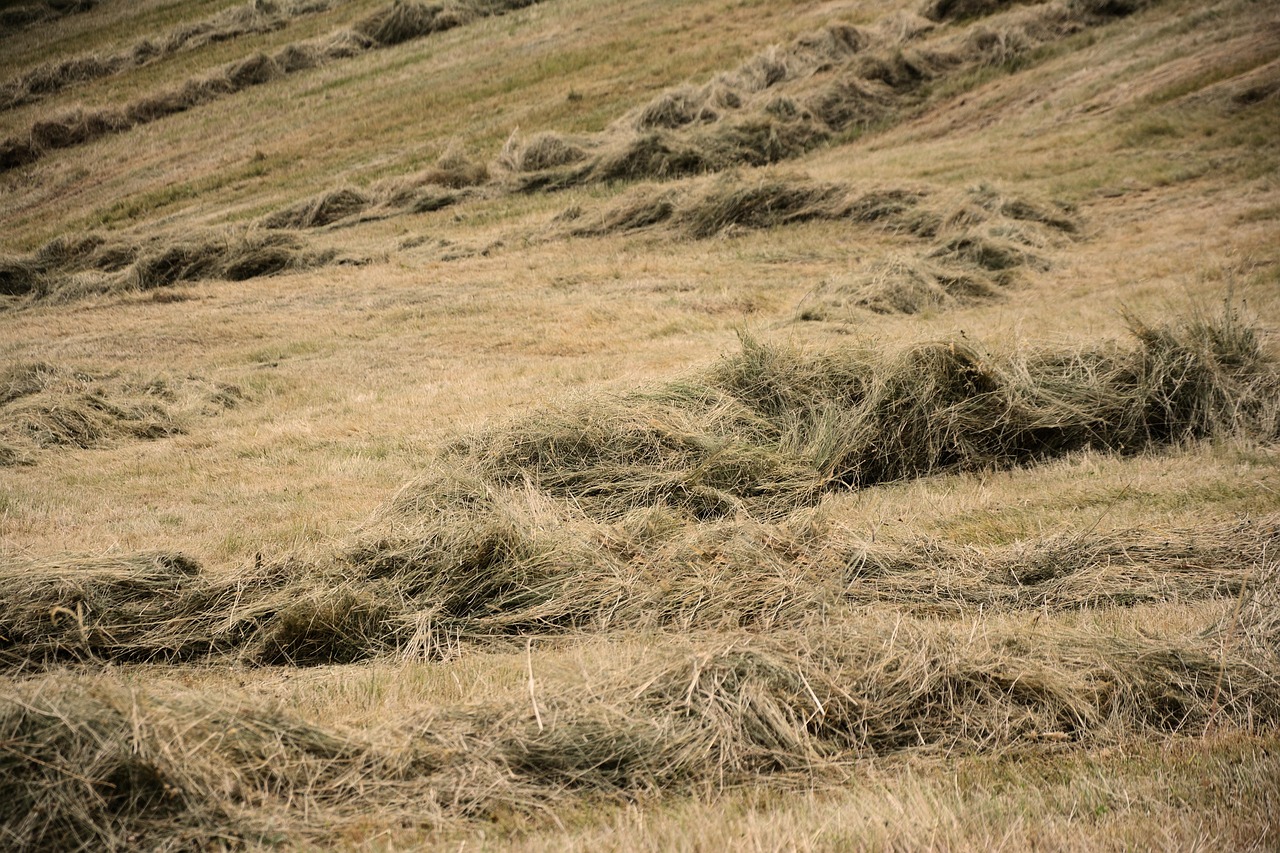
Long-strand hay is one of the most critical components of proper rabbit care. It supports both dental health and digestive function. Hay should always be available. Hay vs. fresh grass is a debate among rabbit owners, but it is well documented in science that a large part of a rabbit’s diet should be course, long-strand hay (dried grass). For this course, we will use “hay” to refer to hay AND fresh, untreated grass for ease of reading. Your rabbit will naturally eat safe grass during outdoor playtimes, which is beneficial. For more information on the hay vs. grass issue, watch THIS VIDEO.
Dental Health
A rabbit’s teeth grow continuously throughout their life. Coarse, long-strand hay provides the natural abrasion needed to keep teeth worn down to a healthy length. In addition to hay, rabbits need rabbit-safe wood and bark to chew. Examples include properly prepared apple tree branches or sticks. If you don’t have access to safe natural wood, many rabbit-safe options are available online.
Note: A rabbit’s teeth growing too long means they cannot eat. This causes a series of cascading health events that leads to suffering and eventually, death.
Digestive Health
A rabbit’s digestive system relies on fiber to keep food moving through the gut. Without enough fiber, the digestive system can slow or stop causing a life-threatening condition known as gastrointestinal stasis (GI stasis). GI Stasis is a silent killer of rabbits. Unlimited access to hay keeps the gut muscles active and functioning properly.
As a best practice, hay/fresh grass should make up 70–95% of a rabbit’s daily diet. Source information varies on how much hay a rabbit will eat, but most rabbits consume an amount of hay roughly equal to their body size each day. Providing plenty of fresh, long-strand hay ensures the rabbit will consume the necessary amount.
Choosing The Right Hay
Timothy hay and other grass hays are appropriate for adult rabbits and are widely available at farm supply stores and online. Alfalfa hay, however, should only be fed during the first 6 to 12 months of life, when rabbits are still growing. Alfalfa is too rich in calcium and protein for adult rabbits and can contribute to health problems.
Unfortunately, outdated information about rabbit diets still circulates, and adult rabbits are often incorrectly directed toward alfalfa hay or worse—no hay at all. Rabbit-savvy veterinarians and current best-practice guidelines agree that adult rabbits should have grass hay available. It should be grass hay and NOT alfalfa. Understanding why hay matters, and choosing the correct type, plays a major role in your rabbit’s long-term health and well-being.
Fresh Water
Rabbits must have unlimited access to fresh, clean water at all times. Dehydration can quickly become dangerous and lead to serious symptoms, including weakness, loss of balance, or difficulty using the hind legs.
Use sturdy, non-breakable water containers to prevent injury. Large water bottles (½ gallon to 1 gallon) or heavy bowls that are designed for cats work very well. Also, heavy dog water bowls with low sides work well. Anything the rabbit would have a hard time tipping over, but an easy time drinking from.
When choosing a water dispenser or heavy bowl, avoid all models with electrical cords. Simple, non-electric water dishes are effective and easy to maintain.
Check water daily, keep it clean, and refill it as needed. Fresh water is just as essential as fresh hay in supporting your rabbit’s health.